As early as next month, Pandora will be offering its existing free tier as well as two new monthly subscription options, the Wall Street Journal reported.
The news comes by way of The Wall Street Journal who claims that the service is close to securing the licensing deals for the new paid service in the U.S. and overseas.
Like Apple Music and Spotify, the tariff is expected to be $10 a month, while the ad-free $5 a month personalized radio tier will remain and will be boosted with increased skips and the ability to save playlists offline. Until now, the company has not had to get permission from record labels to use their music because it never let users listen to specific songs on demand. Since its new model will add these on-demand listening features for its users, Pandora now has to partner with various record labels in addition to the broad internet radio licensing fees it pays.
Historically, the digital radio service only operated in regions where it would receive automatic licensing (for being an internet -radio service), which was in the U.S., New Zealand and Australia. Pandora One is now $5 a month, and the price is set to remain the same after the added features.

Pandora Media Inc (NYSE:P) may be preparing to launch its on-demand service next month in the United States. "Music Reports is in a unique position to reach every active publisher in the market, ensuring Pandora can offer them all the opportunity to participate in these new services, on the same terms". For Pandora and its increasingly wary investors, the expansion should drive user growth, which has slowed in recent months.
Jay Z's Tidal, for example, launched previous year with the promotional backing of almost 20 superstar artists. Subscription streaming generated $2 billion of the industry's $15 billion total revenue, according to the IFPI.
While the new agreements will broaden Pandora's reach, they also could increase Pandora's already high content costs, which contributed to its $170 million net loss on revenue of $1.2 billion past year.
Ford to sell urban self-driving vehicles by 2021
Ford backs up this plan by doubling the staff in its Silicon Valley Research and Innovation Center, and adding two new buildings. Raj Nair, Ford executive vice president of Global Product Development, said they would be geo-fenced to particular urban areas.


 N Korea warns South, calls its President 'psychopath' over nuclear missile row
 Biden Fires Broadside At Trump In First Campaign Rally With Clinton
 Great Britain's Laura Trott wins women's omnium
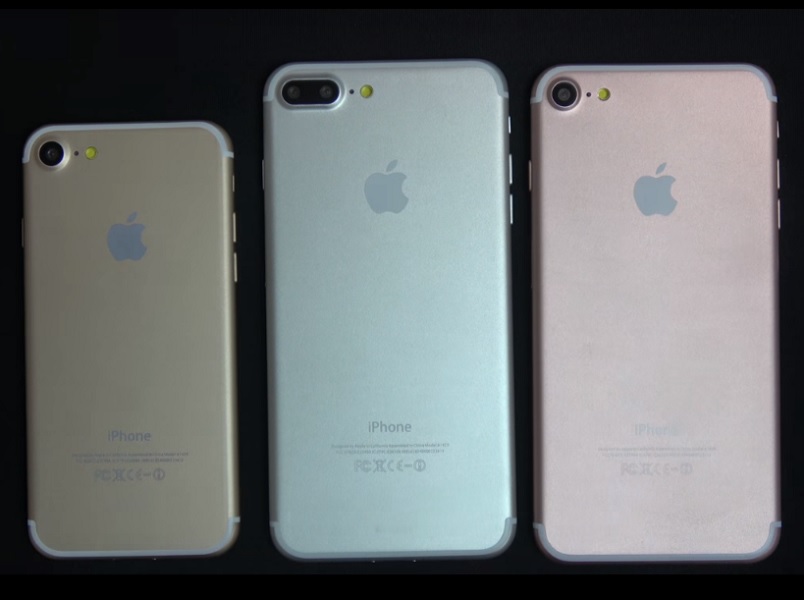 Apple's iPhone 7 A10 Processor Gets Benchmarked Again
 Third French burqini ban after clashes in Corsica